
Dates: 04-11 May 2025 - Venue/Country: Fethiye/MUĞLA - Türkiye
Activities Implemented:
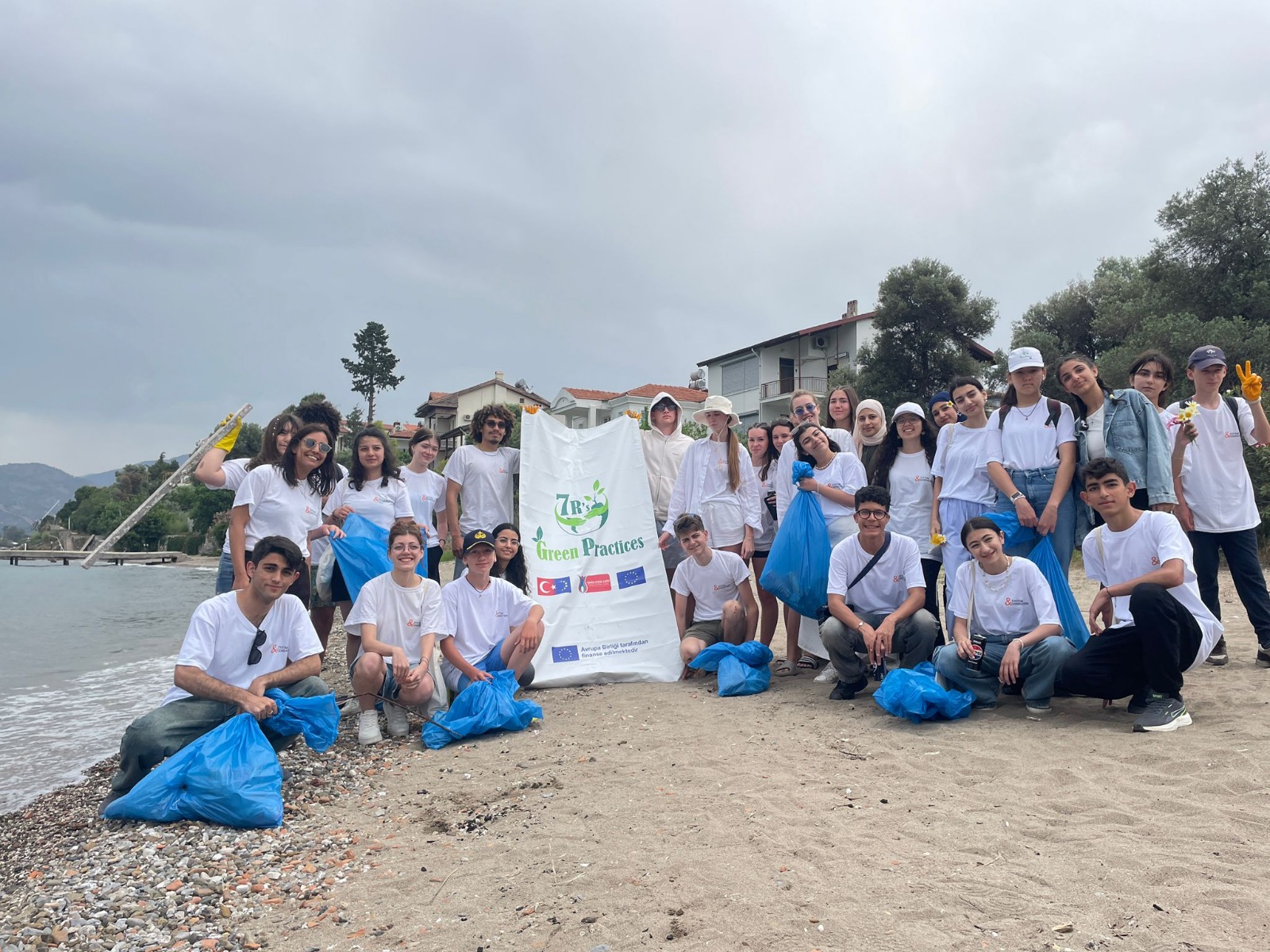
This exchange followeda participant-centred and experience-based learning approach, ensuring that activities responded to participants’ needs and encouraged active engagement throughout the programme. Learning was grounded in hands-on experiences such as practical workshops, gardening, crafting with waste materials, clean-up actions, and green challenges. These activities allowed participants to apply their knowledge in real-world situations, thereby strengthening skill retention and environmental awareness.
Team-based and collective work played a central role, with participants collaborating on problem-solving tasks, scavenger hunts, and creative challenges. Through brainstorming sessions, they developed and pitched their own green project ideas, enhancing teamwork, creativity, and communication skills. Environmental education was closely linked to cultural exploration, including cultural nights and local practices, which helped participants understand sustainability within different cultural contexts. Community engagement activities, awareness videos, and photo campaigns encouraged participants to share messages beyond the group and inspire local action. The programme also integrated problem-based learning, enabling participants to address real environmental challenges and propose innovative, practical solutions, reinforcing their role as active changemakers for sustainability.
Results:
The project achieved strong educational, social, and environmental results aligned with Erasmus+ Youth Quality Standards and the EU Green Deal. Participants significantly increased their understanding of sustainability, climate action, and the 7 R’s, applying these principles in everyday practices through hands-on and outdoor activities.
Key results include strengthened environmental responsibility, teamwork, creativity, intercultural understanding, and youth participation. Community actions and cooperation with local environmental organisations generated a visible local impact and increased environmental awareness.
The project successfully met its objectives and contributed to Erasmus+ priorities on green transition, youth empowerment, and active citizenship.
VIDEO: Green Practices: LINK
Partners:
“Common Sense” Youth Organisation (Azerbaijan), WeYouth organisation ( Tunisia), “Impress”( Croatia), Space For Sustainable Development ( Jordan), Educational Association Pro Time-R ( Romania), FN-Forbundet( Denmark)